

PDO Threads
in Northbridge
- Customised treatments by qualified practitioners
- Premium quality products
- Warm, comfortable Northbridge clinic

How Thread Treatments Work
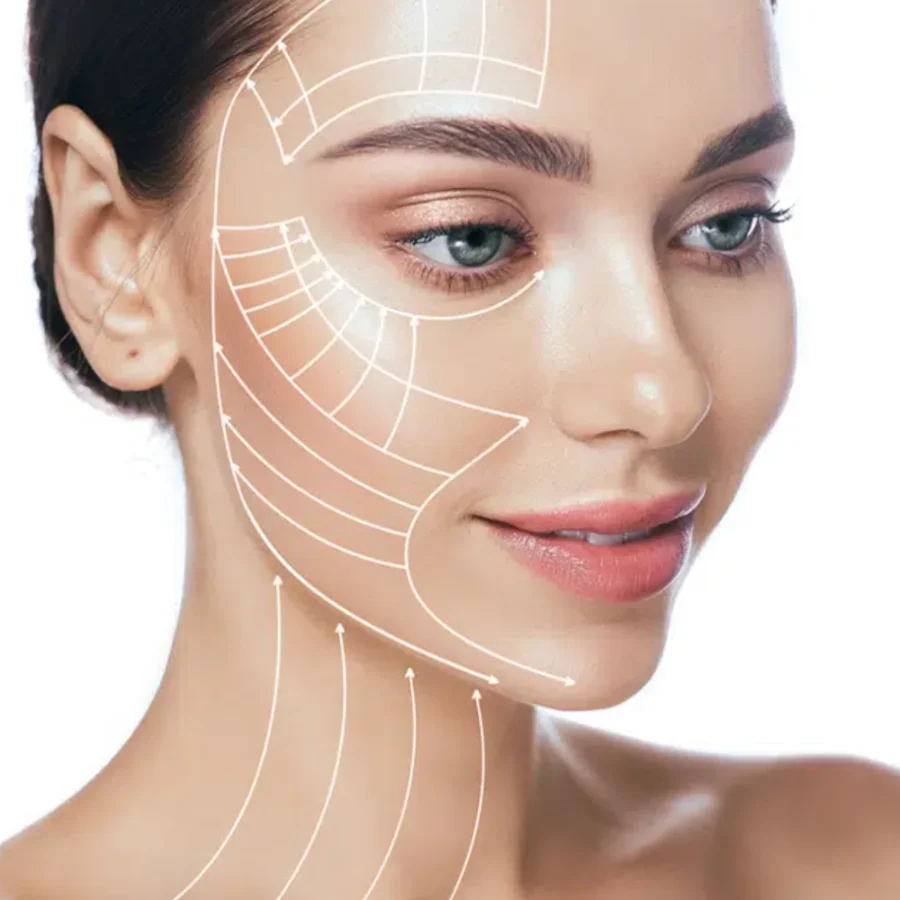
PDO thread treatments involve inserting fine absorbable threads into the deeper layer of the skin in a pattern intended to support the skin and encourage the body's natural collagen response over time. The threads are made from polydioxanone, an absorbable material that is gradually broken down by the body. Because this is a minimally invasive procedure, it is only appropriate following an individual assessment by a suitably trained practitioner.
At Lola Room, we distinguish between different thread types, including smooth mono threads that aim to support skin quality and other configurations, and we will explain which may be relevant to your goals. Any effect develops gradually and varies between individuals, and we do not guarantee a specific result. A consultation is the starting point for understanding whether this treatment may be appropriate and what it can realistically involve for you.

The Treatment and Important Considerations
A PDO thread treatment is carried out by a suitably trained practitioner. A topical anaesthetic is usually applied to the area, and the threads are inserted using a fine needle or cannula, so no incision or stitches are required. Sessions typically take around 30 to 60 minutes depending on the areas discussed. Before any treatment, your clinician will take a full medical history, explain the procedure, and talk through possible side effects, recovery and realistic timeframes, since results develop over weeks to months and differ between people.
We think it is important you understand both what a treatment may achieve and its limitations before deciding. This treatment involves a medical device, so please follow the directions for use provided. To understand whether thread treatments may be suitable for you, book a consultation with our team.
Book Your Consultation
Leave your details and our team will be in touch.